
Stronger Lawns Start with Healthy Soil and Deep Roots
May 26, 2026
Environmentally Conscious Lawn Care for Healthier, More Resilient Turf
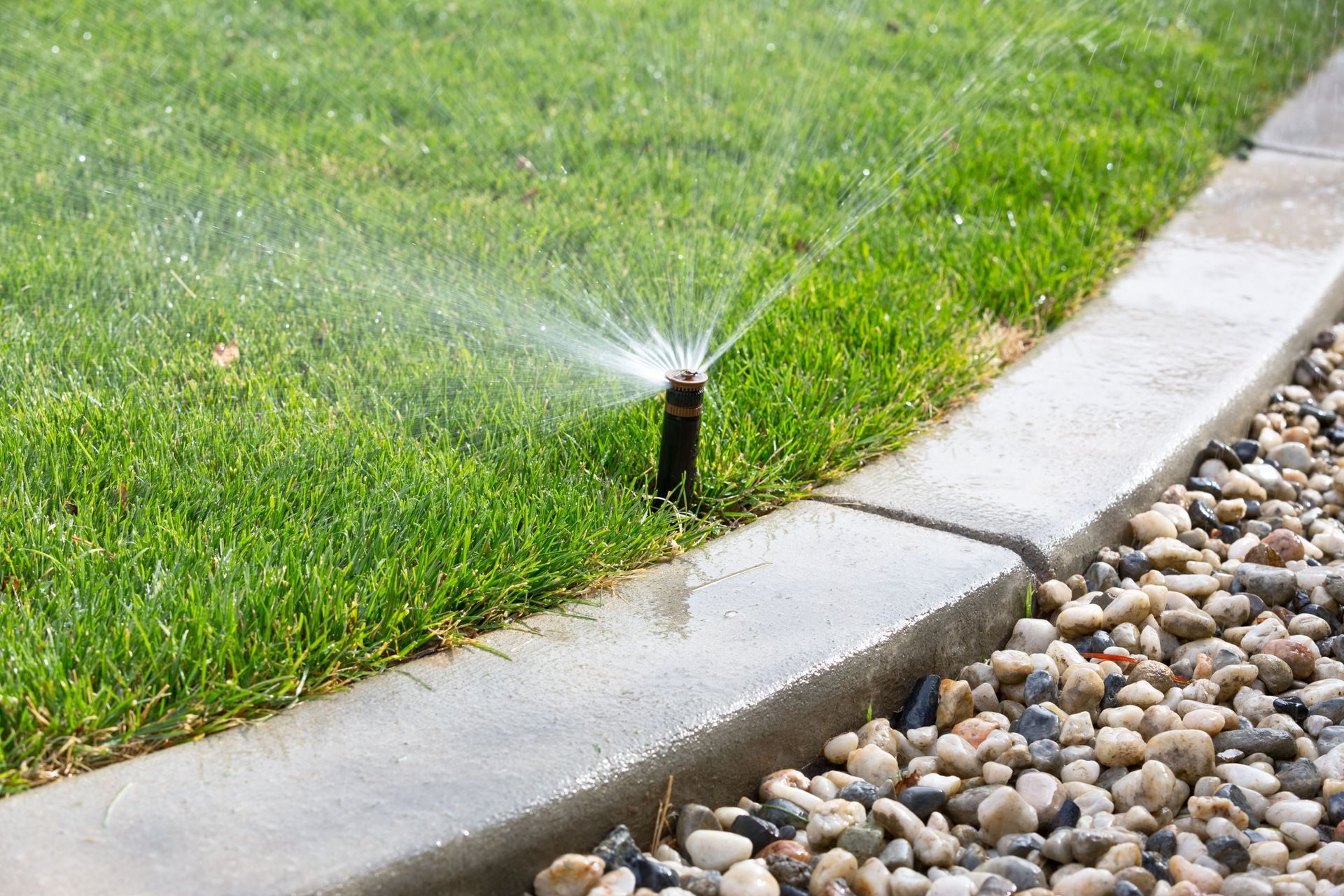
PREPARE FOR WATER RESTRICTIONS
Our lawn care program is created for the semi-arid high desert, aimed at improving soil conditions for our specific soil and landscape needs.
CULTURAL PRACTICES
Mowing: Keep grass as long as possible. Let the grass grow longer, do NOT cut short (Not in Spring or Fall).
- Maintain a mowing height of around 4 inches to encourage deeper, healthier root systems.
- There is a direct relationship between grass height and root depth, and deeper roots stay cooler and have better access to moisture.
- Taller grass also helps shade the soil, reducing water loss and naturally suppressing weed growth.
Audits: As soon as you’re allowed to start your irrigation system perform an audit.
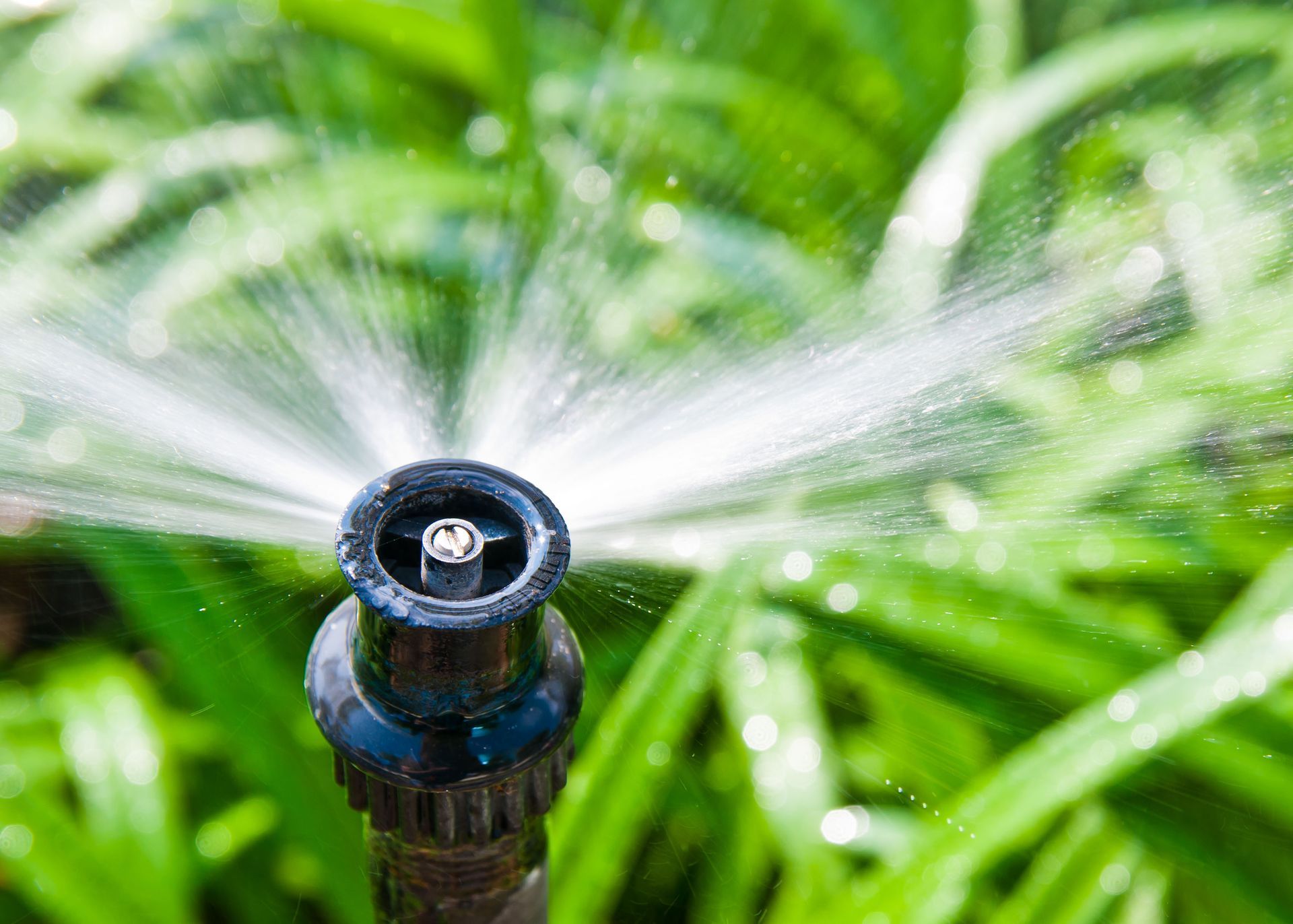
- Make sure all sprinkler heads are functioning properly and that each area of turf is covered by at least two heads (three is preferred). Identify and correct any “gaps” that may cause dry spots.
- Adjust spray patterns to ensure full coverage of edges, curves, and corners.
- Fine-tune run times based on sun exposure and topography—apply more water to south and southwest-facing slopes, and less to shaded or low areas where moisture naturally accumulates.
Irrigation Cycles: Restrictions don’t always mean less water being applied.
- Increase run times to make up for fewer watering days. For example, if you typically irrigate 4 times per week for 20 minutes per zone (80 minutes total), and restrictions reduce watering to 2 days per week, you can water twice on each allowed day for 20 minutes per cycle—maintaining the same total of 80 minutes per week.
- Gradually reduce run times and allow the turf to adjust to lower water use.
- Don’t forget the water needs of your trees. Use a hose and sprinkler with long run times (couple hours). There has never been a watering restriction for trees in Colorado — avoid using in-ground irrigation systems.
NATURAL WAY LAWN CARE
Fertilization: We use locally created fertilizer, cultivated for our soil.
- Our fertilizer is balanced to establish better soil and encourage good root development and health.
- We do NOT use high nitrogen fertilizers that push excess growth, this can strain roots and negatively impact overall lawn health.
- The organic-based amino acids of our fertilizer counteract the high pH calcareous in certain soils, creating a better soil environment for all varieties of turf grasses.
Wetting Agent: Organic soil treatment made from plant-based materials and humates
- Helps water penetrate and spread more evenly through the soil, improving moisture in the root zone and overall drainage.
- Acts as a chelating agent, freeing up essential nutrients like iron and zinc so plants can absorb them more easily.
- Helps improve lawn color, thickness, and overall health while also enhancing soil structure and water-holding capacity.
Avoid Aerating – Biochar is Better
- Improves the soil’s ability to hold water, nutrients, and beneficial microbes. Its porous structure acts like a sponge, allowing moisture to stay available in the root zone longer while also improving drainage and soil structure.
- Supports healthier root development and increases nutrient availability, leading to better color, density, and overall resilience, especially during dry conditions.
- Biochar is based on ancient practice. Indigenous peoples in the Amazon created highly fertile soils known as Terra Preta by making biochar and adding to their crops.
- Use dates back thousands of years and resulted in soils that still remain rich and productive today.
- Modern biochar uses the same basic concept—stabilized carbon added to soil—to improve soil health, water retention, and nutrient availability.
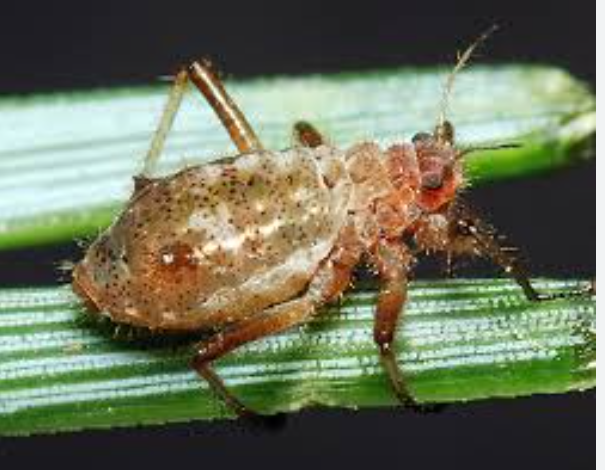
Cool fall weather brings conifer aphids back to Colorado evergreens. Learn how to identify damage and why fall spraying protects your trees.
Share On: